

If you’re a nurse, you know that a long shift can take a serious toll on your body. Between standing for hours, lifting patients, pushing equipment, and constantly moving around, lower back pain can become an unwelcome part of the job.
The good news is that you don’t need an expensive treatment plan or hours in the gym to find relief. A few simple yoga stretches and stretching exercises for nurses can help reduce muscle tension, improve flexibility, and support a healthier back.
In this guide, you’ll learn seven effective yoga stretches that can help relieve lower back pain after long nursing shifts and keep your body feeling stronger throughout the week.
Why Do Nurses Experience Lower Back Pain?
Nursing is one of the most physically demanding professions. Nurses often:
Stand for 8–12 hours at a time
Lift and reposition patients
Bend repeatedly throughout the day
Push heavy medical equipment
Work under physical and emotional stress
These activities place significant strain on the lower back, hips, hamstrings, and core muscles. Over time, this can lead to stiffness, discomfort, and chronic pain.
Adding stretching exercises for nurses into your daily routine may help improve mobility and reduce muscle tightness caused by long shifts.
Benefits of Yoga for Nurses
Yoga is particularly helpful for healthcare workers because it combines stretching, strengthening, and relaxation.
Benefits include:
Improved flexibility
Better posture
Reduced lower back pain
Increased mobility
Less muscle stiffness
Better stress management
Improved recovery after long shifts
Let’s look at the best stretches for nurses experiencing lower back discomfort.
1. Child’s Pose
Child’s Pose is one of the most effective yoga stretches for lower back pain.

How to Perform It
Kneel on the floor.
Sit back on your heels.
Extend your arms forward.
Lower your chest toward the floor.
Hold for 30–60 seconds.
Benefits
Relieves tension in the lower back
Gently stretches hips
Promotes relaxation after stressful shifts
2. Cat-Cow Stretch
This gentle movement improves mobility throughout the spine.

How to Perform It
Start on hands and knees.
Inhale while arching your back.
Exhale while rounding your spine.
Continue for 60 seconds.
Benefits
Improves spinal flexibility
Reduces stiffness
Encourages healthy posture
3. Standing Forward Fold
Many nurses experience tight hamstrings, which can contribute to lower back pain.
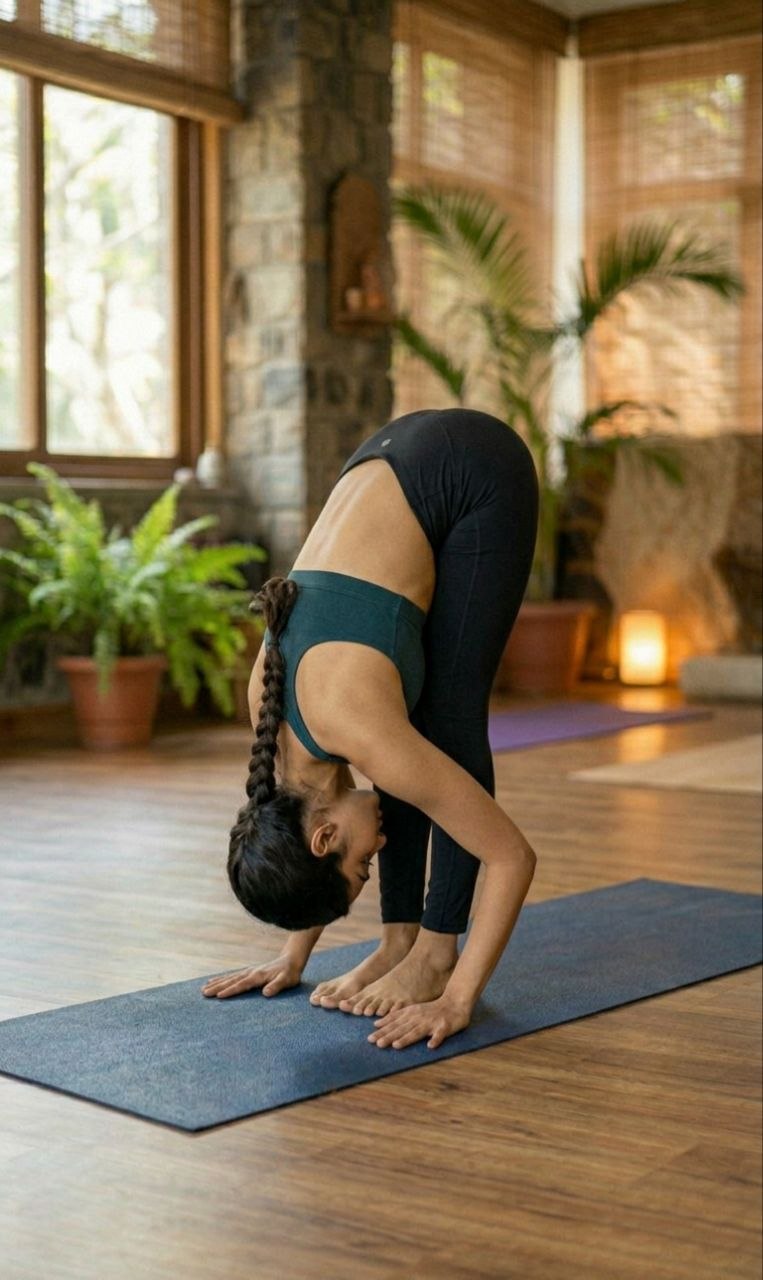
How to Perform It
Stand with feet hip-width apart.
Slowly bend forward.
Let your arms hang naturally.
Hold for 30 seconds.
Benefits
Stretches hamstrings
Relieves back tension
Improves flexibility
4. Figure Four Stretch
This stretch targets the glutes and hips, which often become tight after standing all day.
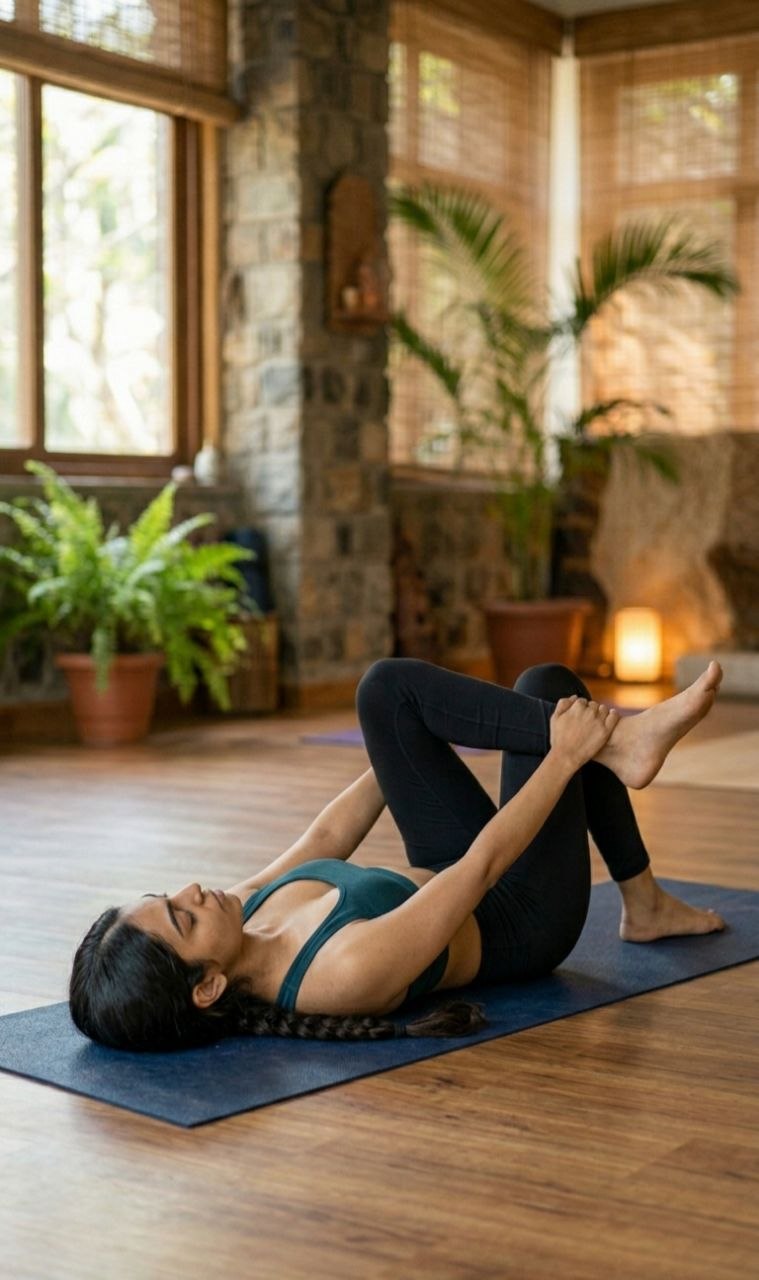
How to Perform It
Lie on your back.
Cross one ankle over the opposite knee.
Pull your leg gently toward your chest.
Hold for 30 seconds on each side.
Benefits
Opens the hips
Reduces pressure on the lower back
Improves mobility
5. Cobra Pose
Cobra Pose helps counteract the effects of bending and lifting throughout the day.

How to Perform It
Lie face down.
Place your hands beneath your shoulders.
Lift your chest gently.
Hold for 20–30 seconds.
Benefits
Strengthens the spine
Improves posture
Stretches abdominal muscles
6. Knees-to-Chest Stretch
This simple stretch can provide immediate relief after a long shift.
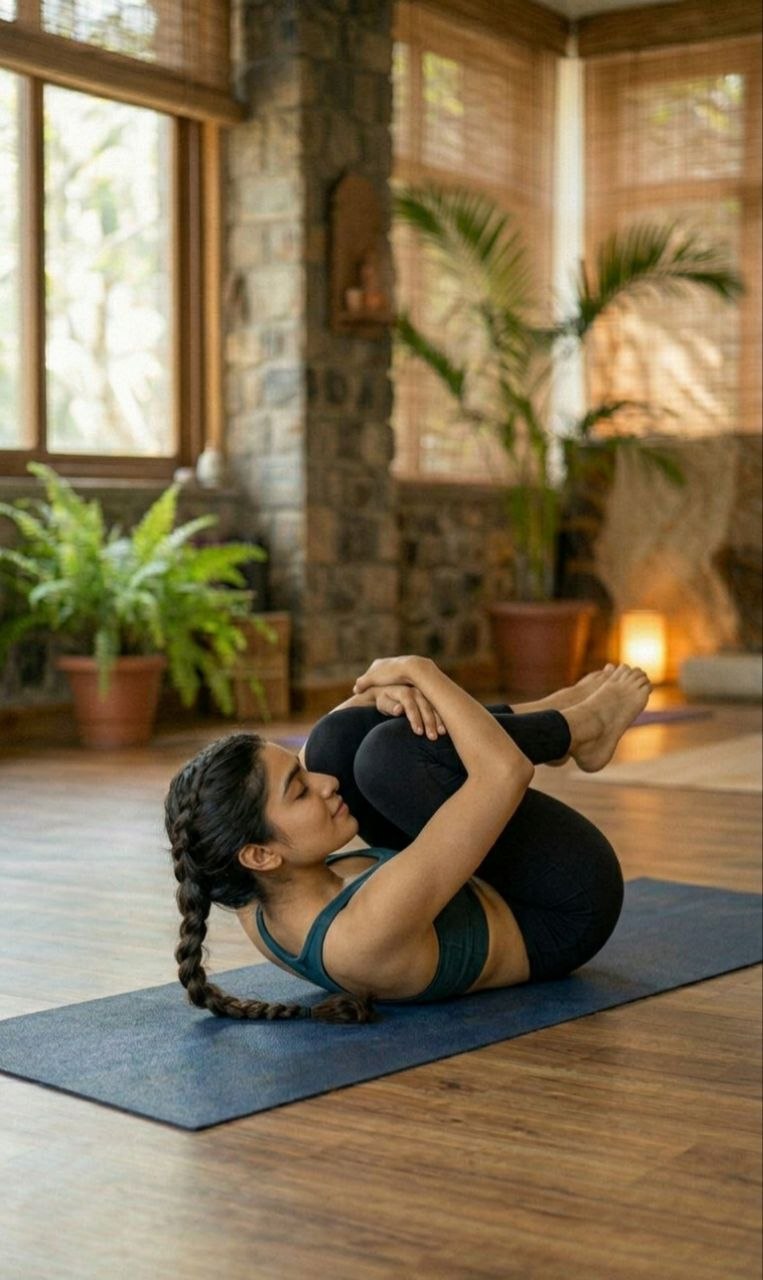
How to Perform It
Lie on your back.
Pull both knees toward your chest.
Hold for 30–60 seconds.
Benefits
Relaxes lower back muscles
Reduces stiffness
Encourages spinal mobility
7. Happy Baby Pose
Despite its playful name, this stretch is excellent for relieving lower back and hip tension.
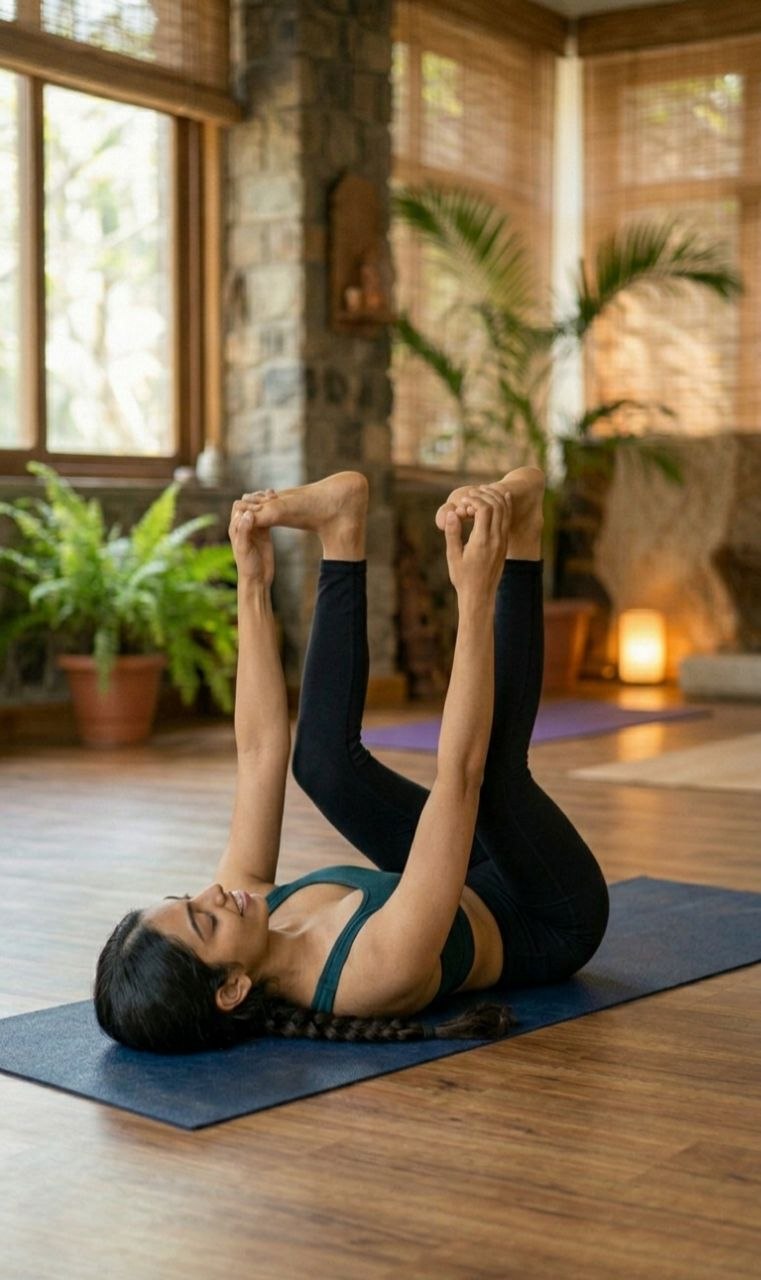
How to Perform It
Lie on your back.
Grab the outside edges of your feet.
Gently pull your knees toward your armpits.
[12-06-2026 01:29] Gaurav Khamgal Patil: Hold for 30–60 seconds.
Benefits
Stretches hips and lower back
Improves flexibility
Encourages relaxation
Quick 10-Minute Stretching Routine for Nurses
If you’re short on time, try this sequence:
Child’s Pose – 1 minute
Cat-Cow Stretch – 1 minute
Standing Forward Fold – 1 minute
Figure Four Stretch – 1 minute each side
Cobra Pose – 1 minute
Knees-to-Chest Stretch – 2 minutes
Happy Baby Pose – 2 minutes
This routine takes less than 10 minutes and can easily fit into your post-shift recovery routine.
Additional Tips to Prevent Lower Back Pain for Nurses
Along with yoga and stretching exercises, consider these habits:
Wear supportive footwear
Practice proper lifting techniques
Take short movement breaks when possible
Strengthen your core muscles
Stay hydrated throughout your shift
Prioritize sleep and recovery
Small daily habits can make a significant difference in reducing discomfort over time.
Final Thoughts
Nursing is physically demanding, and lower back pain is one of the most common complaints among healthcare professionals. Fortunately, regular stretching exercises and yoga can help reduce stiffness, improve mobility, and support long-term back health.
By incorporating these seven stretches into your routine, you can help your body recover from long shifts and continue providing excellent care without sacrificing your own well-being.
Frequently Asked Questions
What are the best stretching exercises for nurses with lower back pain?
Child’s Pose, Cat-Cow Stretch, Figure Four Stretch, and Knees-to-Chest Stretch are among the most effective stretching exercises for nurses experiencing lower back discomfort.
How often should nurses stretch to prevent back pain?
Most nurses benefit from stretching at least once daily. Even a 10-minute routine after work can help improve flexibility and reduce muscle tension.
Can yoga help nurses recover after long shifts?
Yes. Yoga helps improve circulation, reduce stiffness, relieve muscle tension, and support mental relaxation after physically demanding shifts.
Why do nurses often experience lower back pain?
Lower back pain is commonly caused by prolonged standing, lifting patients, repetitive bending, and physical strain during long shifts.
Is walking or stretching better for lower back pain?
Both can be helpful. Walking improves circulation, while stretching helps improve flexibility and reduce muscle tightness. Combining both often provides the best results.
