

📋 At a Glance
| Best For | Adults aged 60 and older |
| Reading Time | 9–10 minutes |
| Difficulty | Beginner |
| Lifestyle Change | Easy Daily Habits |
| Main Benefit | Better mobility and healthier joints |
| Expert Recommendation | Build small daily habits instead of relying on occasional intense exercise |
Growing older doesn’t automatically mean living with stiff, painful joints.
While it’s true that aging naturally changes our muscles, bones, and cartilage, many of the aches people experience after 60 are influenced by everyday habits—not just age itself.
The encouraging news is that small, consistent lifestyle choices can make a meaningful difference. Simple habits such as staying active, eating a balanced diet, maintaining a healthy weight, and moving your joints regularly may help support mobility and make everyday activities feel easier.
You don’t need expensive supplements or complicated workout routines.
Instead, the goal is to create a daily routine that helps your joints continue doing what they were designed to do—move comfortably.
In this guide, we’ll explore seven practical habits that many health professionals recommend for supporting joint health as you age. These tips are easy to incorporate into your day and are designed for adults who want to stay active, independent, and confident in their movement.
Why Joint Health Becomes More Important After 60
Many people begin noticing changes in their joints during their 60s.
Simple tasks such as climbing stairs, getting out of a chair, gardening, or carrying groceries may start to feel more challenging than they once did.
That doesn’t necessarily mean something is wrong.
As we age, several natural changes occur throughout the body.
These include:
- Gradual loss of muscle mass
- Reduced flexibility in tendons and ligaments
- Thinning of cartilage that cushions joints
- Slower tissue repair
- Less joint lubrication during movement
Although these changes are normal, becoming less active often accelerates stiffness and discomfort.
Regular movement helps nourish joints by encouraging the circulation of synovial fluid—the natural lubricant that helps joints move more smoothly.
In other words:
Movement helps keep joints healthy.
Remaining inactive for long periods often has the opposite effect.
🧠 Did You Know?
Regular physical activity is widely recommended because it supports muscle strength, balance, and joint function. Even light movement throughout the day can be beneficial for older adults when done safely and consistently.
Common Signs Your Joints Need More Daily Movement
Many adults assume discomfort is simply something they have to live with after retirement.
However, your body often gives early signals that your joints would benefit from healthier daily habits.
These signs may include:
- Feeling stiff when getting out of bed
- Difficulty standing after sitting for a long time
- Reduced flexibility when reaching overhead
- Knees that feel tight while climbing stairs
- Lower back stiffness after watching television
- Hips that feel sore after long periods of inactivity
These symptoms don’t always indicate a serious medical condition, but they can be signs that your body would benefit from regular movement and strengthening exercises.
Fortunately, small daily changes can often make a noticeable difference over time.
💡 Expert Tip
Many people wait until they experience pain before they start taking care of their joints.
A better approach is to build healthy habits before significant discomfort develops.
Just 15–20 minutes of gentle movement most days of the week can help support flexibility, circulation, and muscle strength that protect your joints over time.
Habit #1: Start Every Morning With Gentle Movement
One of the best things you can do for your joints is to avoid staying completely still after waking up.
During sleep, your joints remain relatively inactive for several hours.
That’s one reason many adults notice stiffness first thing in the morning.
Instead of rushing into your day, spend five to ten minutes gently waking up your body.


Simple movements such as:
- Shoulder rolls
- Neck stretches
- Gentle spinal twists
- Ankle circles
- Easy leg stretches
help increase circulation and prepare your joints for the day ahead.
These movements don’t need to be intense.
The goal is simply to remind your body that it’s time to move.
Many older adults find that this short morning routine helps them feel less stiff and more comfortable throughout the rest of the day.
Now that you’ve learned why morning movement is one of the best ways to support healthy joints, let’s explore three more habits that experts consistently recommend for adults over 60.
These habits don’t require expensive equipment or complicated routines. Instead, they focus on simple actions that can make a significant difference when practiced consistently.
Habit #2: Walk Every Day—Even for 20 Minutes
Walking is often called one of the best exercises for healthy aging—and for good reason.
Unlike high-impact activities that place extra stress on the knees and hips, walking is gentle enough for most older adults while still providing excellent benefits for the entire body.

When you walk regularly, you help:
- Lubricate your joints naturally
- Strengthen the muscles supporting your knees and hips
- Improve circulation
- Increase flexibility
- Support heart health
- Maintain a healthy body weight
Walking also encourages better balance and coordination, which become increasingly important with age.
How Much Walking Is Enough?
You don’t have to walk for an hour every day.
A realistic goal is:
- Beginners: 10–15 minutes daily
- Intermediate: 20–30 minutes daily
- Active adults: 30–45 minutes most days of the week
If continuous walking feels difficult, divide it into two or three shorter sessions throughout the day.
For example:
- 10 minutes after breakfast
- 10 minutes after lunch
- 10 minutes after dinner
Small walks add up over time.
💡 Expert Tip
Walking on different surfaces such as parks, walking trails, or smooth sidewalks helps gently challenge your balance while keeping your joints active. Wear supportive walking shoes that provide cushioning and stability.
Habit #3: Stay Hydrated Throughout the Day
Most people associate drinking water with heart health or kidney function.
Few realize that hydration also plays an important role in joint health.
Your joints contain cartilage—a smooth tissue that cushions the ends of bones.
This cartilage contains a significant amount of water, which helps it remain flexible and absorb shock during movement.
When you’re mildly dehydrated, you may notice:
- Increased stiffness
- Muscle cramps
- Fatigue
- Reduced physical performance

Easy Ways to Drink More Water
Try these simple habits:
- Drink a glass of water after waking up.
- Keep a reusable water bottle nearby.
- Drink water before meals.
- Eat water-rich foods like cucumbers, oranges, berries, and watermelon.
- Sip water regularly instead of waiting until you feel thirsty.
Older adults often experience a reduced sense of thirst, so building a routine is more reliable than relying on thirst alone.
🧠 Did You Know?
Even mild dehydration can affect how energetic you feel throughout the day. Making hydration a daily habit supports many body systems, including healthy muscles and joints.
Habit #4: Strengthen the Muscles That Protect Your Joints
Many people believe weak joints are the problem.
In reality, the muscles surrounding your joints provide much of the support that keeps them stable.
When these muscles become weaker with age, everyday movements can place more strain on the joints themselves.
Fortunately, gentle strength training can help.
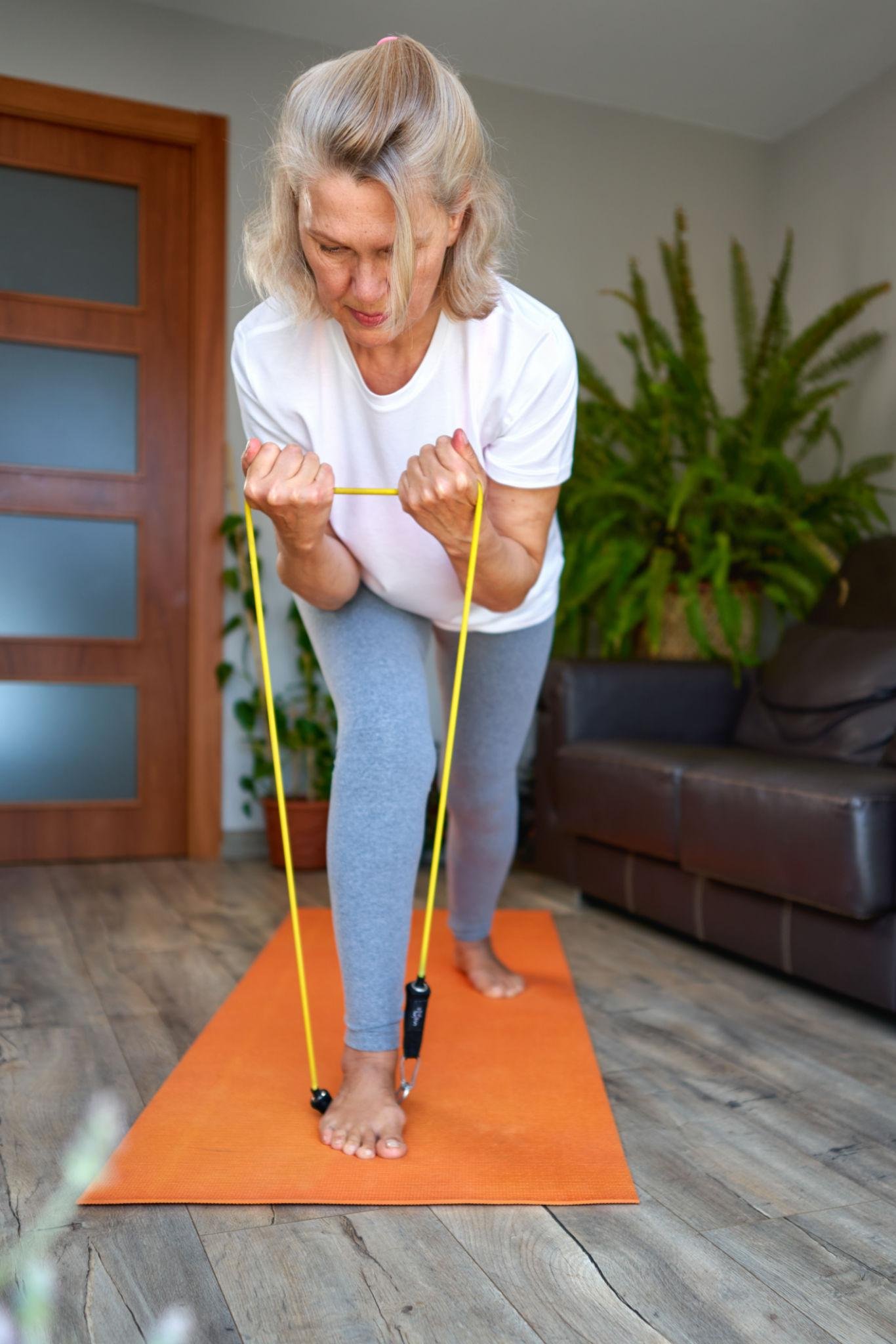
You don’t need heavy weights.
Simple exercises performed two or three times each week can strengthen important muscle groups around your:
- Knees
- Hips
- Ankles
- Shoulders
- Back
Examples include:
- Chair squats
- Wall push-ups
- Resistance band exercises
- Chair yoga
- Standing calf raises
- Seated leg extensions
Building muscle gradually helps improve stability and may make everyday activities such as standing up, climbing stairs, and carrying groceries feel easier.
📋 Quick Habit Tracker
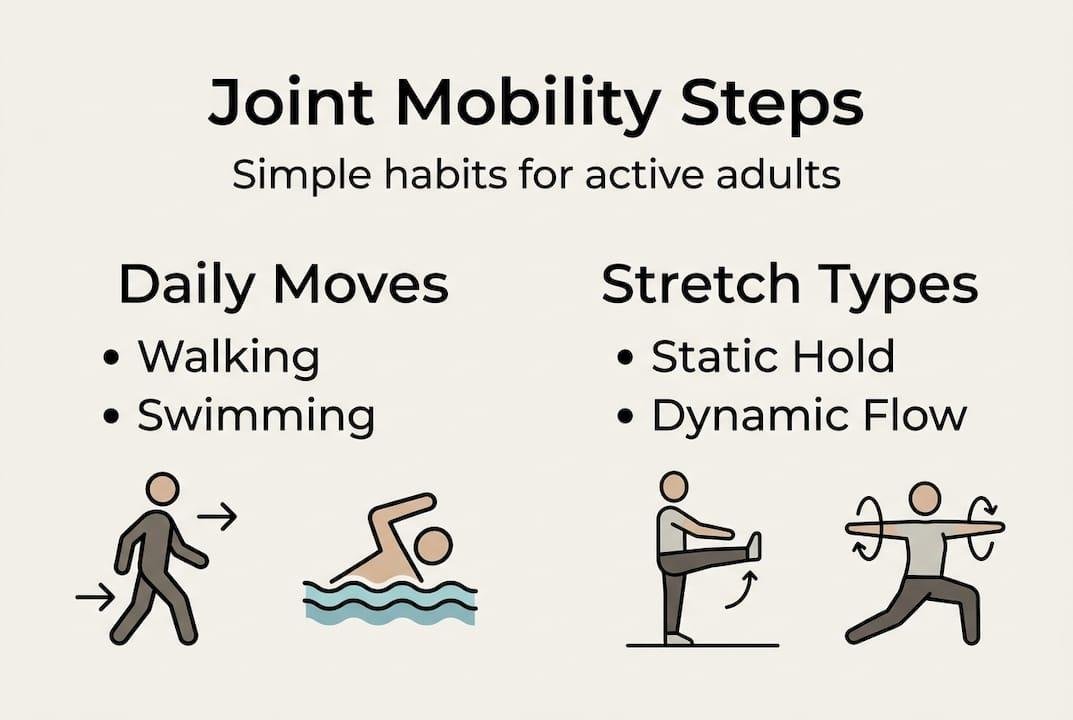
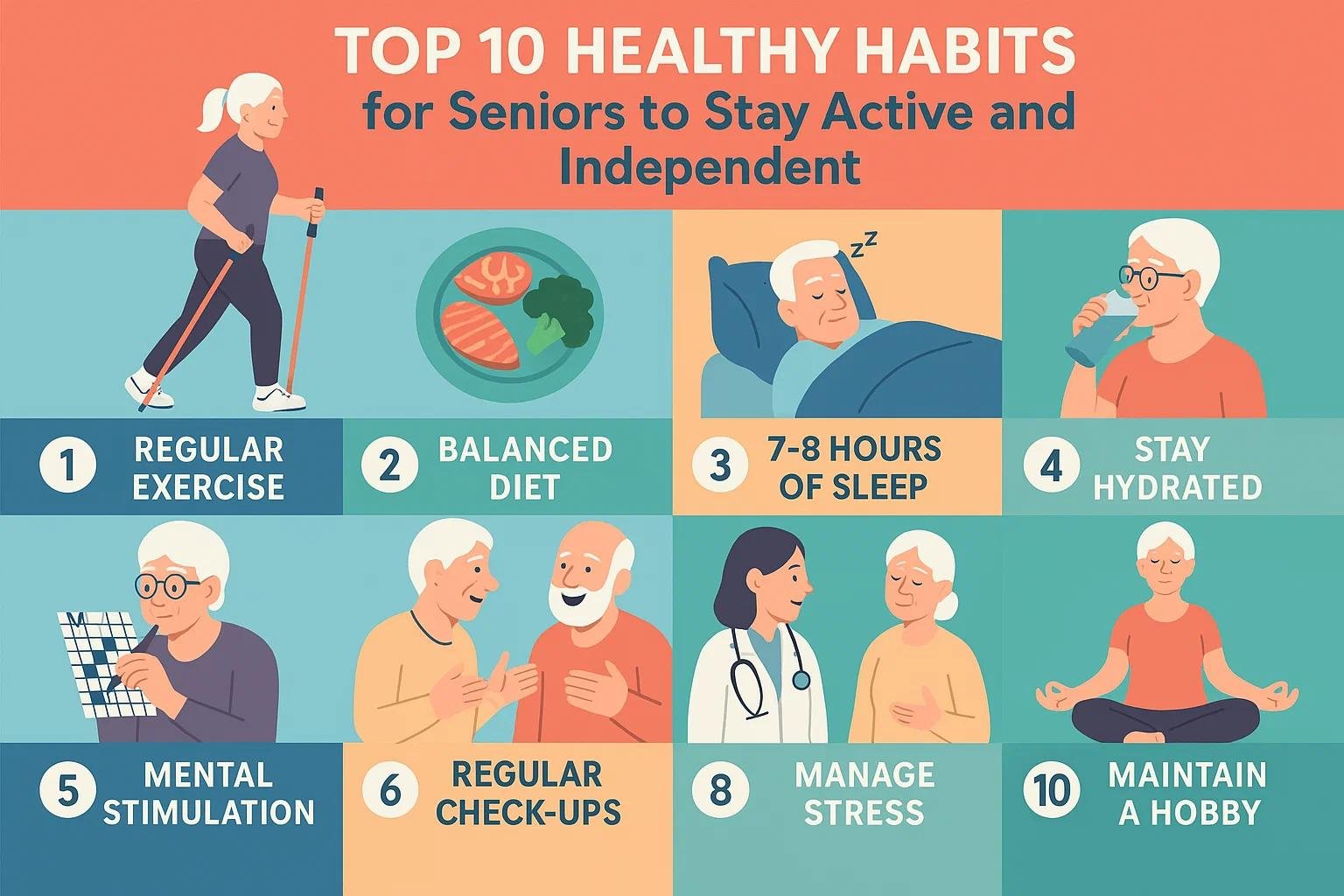
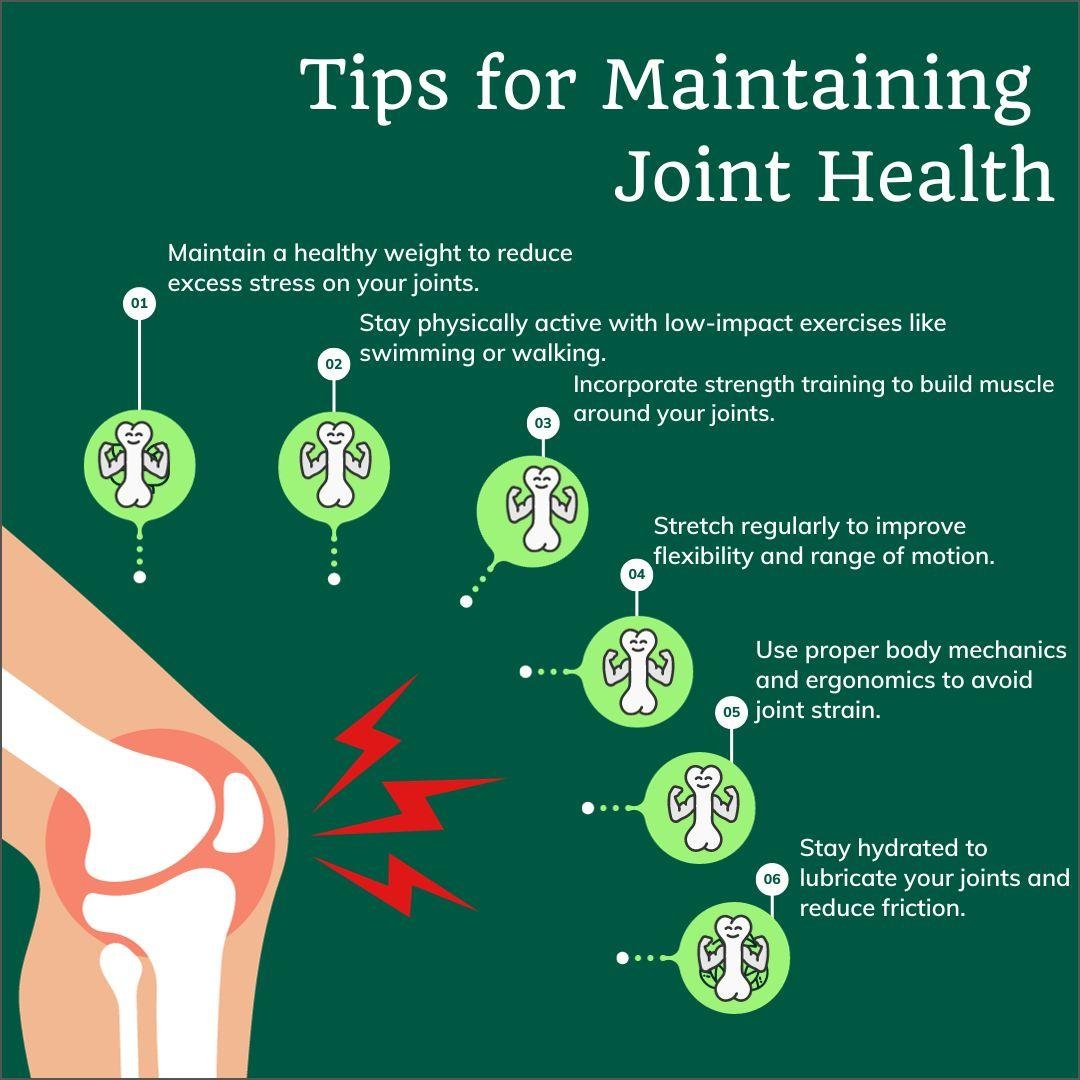
Check off these habits each day:
✅ Walk for at least 20 minutes
✅ Drink water consistently throughout the day
✅ Perform gentle strength exercises
✅ Avoid sitting for long periods
Keeping a simple checklist can help turn healthy choices into lasting habits.
Why Consistency Matters More Than Intensity
Many people start an exercise program with lots of enthusiasm but try to do too much too quickly.
Joint health is built differently.
Your body responds best to regular, moderate activity rather than occasional intense workouts.
Think of your joints like a well-maintained machine.
A little care every day is usually more beneficial than trying to “make up for lost time” with one exhausting workout.
The goal isn’t perfection.
It’s creating a lifestyle that keeps you moving comfortably for years to come.
Habit #5: Maintain a Healthy Weight to Reduce Joint Stress
One of the most effective ways to protect your joints is to maintain a weight that’s healthy for your body.
Why?
Every extra pound of body weight increases the amount of force placed on weight-bearing joints like the knees, hips, and ankles during everyday activities such as walking or climbing stairs.
That doesn’t mean you need to chase a specific number on the scale.
Instead, focus on gradual, sustainable habits like eating balanced meals and staying physically active.

Small Changes That Can Make a Big Difference
- Fill half your plate with vegetables.
- Choose lean protein like fish, chicken, beans, or tofu.
- Replace sugary drinks with water.
- Snack on fruit instead of highly processed foods.
- Watch portion sizes without skipping meals.
Healthy eating isn’t about restriction—it’s about nourishing your body so your joints have the support they need.
💡 Expert Tip
Even modest weight loss can reduce stress on the knees and improve comfort during daily movement. Rather than aiming for quick results, focus on building habits you can maintain for years.
Habit #6: Eat Foods That Support Joint Health
While no single food can prevent joint problems, a balanced eating pattern rich in nutrients may help support overall joint and bone health.
Aim to include foods that provide:
- Omega-3 fats
- Calcium
- Vitamin D
- Protein
- Antioxidants
- Fiber

Excellent Choices Include
| Nutrient | Food Sources |
|---|---|
| Omega-3 fats | Salmon, sardines, walnuts, flaxseed |
| Calcium | Yogurt, milk, fortified plant milk, cheese |
| Vitamin D | Fatty fish, fortified foods, eggs |
| Protein | Chicken, beans, lentils, Greek yogurt |
| Antioxidants | Blueberries, strawberries, spinach, broccoli |
A colorful plate usually means you’re getting a wider variety of vitamins and minerals that support healthy aging.
🧠 Did You Know?
Protein becomes increasingly important as we age because it helps maintain muscle mass. Strong muscles provide better support for your joints and can make everyday activities feel easier.
Habit #7: Prioritize Quality Sleep Every Night
Many people don’t realize that sleep plays an important role in physical recovery.
While you sleep, your body carries out many repair processes that support muscles, tissues, and overall health.
Poor sleep can leave you feeling:
- More tired
- Less active
- Stiffer in the morning
- Less motivated to exercise

Tips for Better Sleep
- Keep a consistent bedtime.
- Limit caffeine later in the day.
- Reduce screen time before bed.
- Keep your bedroom cool, dark, and quiet.
- Stay physically active during the day.
Quality sleep and regular movement work together.
When you move more during the day, you’re often able to sleep better at night—and better sleep helps you stay active the next day.
📊 Healthy Habits vs. Unhealthy Habits
| Instead of… | Try This… |
|---|---|
| Sitting for hours | Stand up and stretch every 30–60 minutes |
| Drinking sugary beverages | Drink water throughout the day |
| Skipping exercise | Take a 20-minute walk |
| Eating mostly processed foods | Choose whole, nutrient-rich foods |
| Sleeping irregularly | Follow a consistent bedtime routine |
| Avoiding movement because of stiffness | Start with gentle stretching and gradual activity |
Small substitutions like these can have a meaningful impact over time.
📋 Weekly Joint Health Checklist
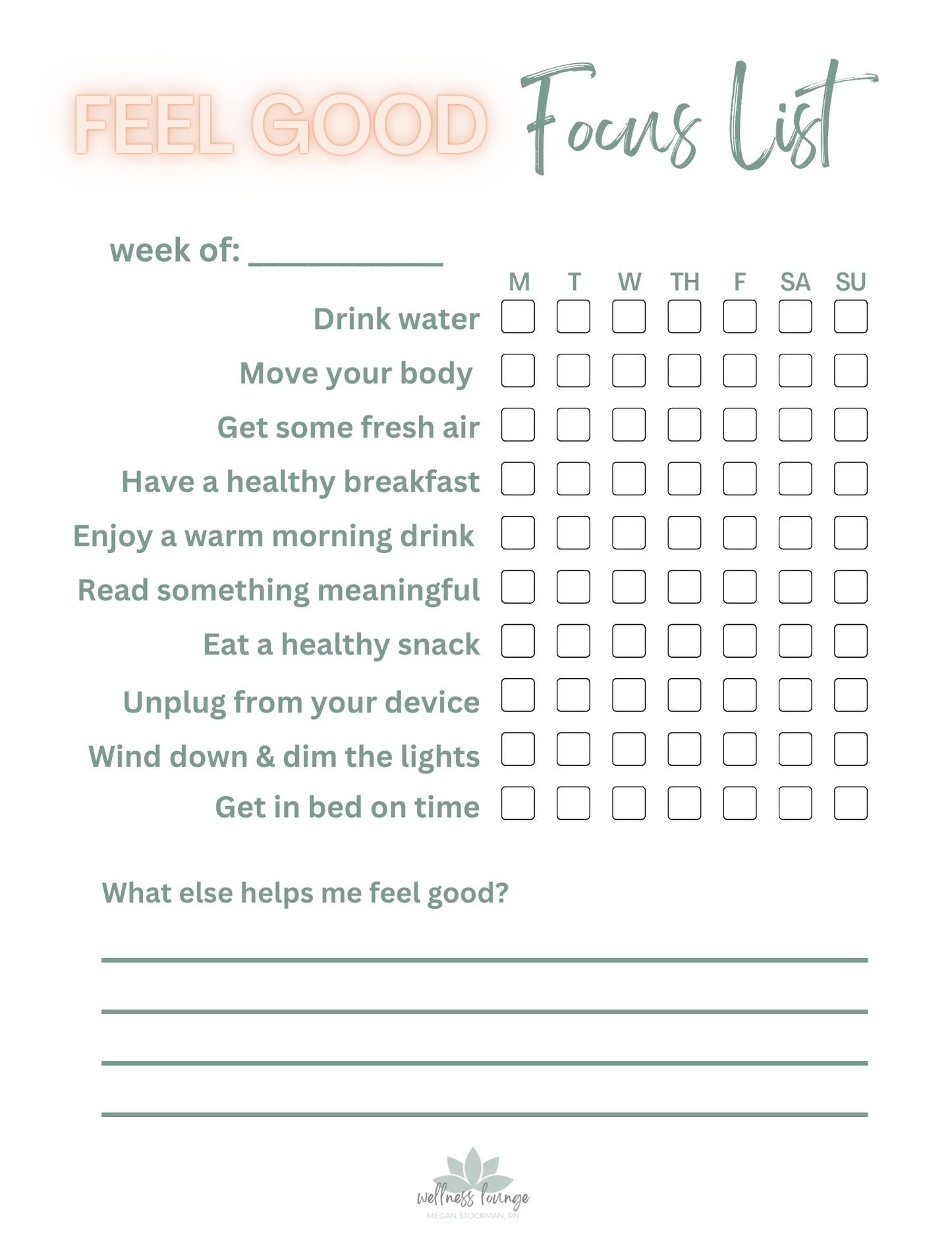
Try to complete these most days of the week:
✅ Walk for at least 20–30 minutes
✅ Stretch every morning
✅ Drink enough water
✅ Eat colorful fruits and vegetables
✅ Include a source of protein with meals
✅ Perform strength exercises 2–3 times per week
✅ Get 7–8 hours of quality sleep
Common Mistakes That Can Make Joint Stiffness Worse
Even people with good intentions sometimes develop habits that work against their joints.
Watch out for these common mistakes:
- Staying seated for several hours without moving
- Jumping into intense exercise after long periods of inactivity
- Ignoring proper footwear
- Skipping strength training
- Eating too few protein-rich foods
- Not drinking enough water
- Assuming pain always means you should avoid all movement
If discomfort is severe, persistent, or accompanied by swelling, redness, or significant loss of function, it’s important to consult a healthcare professional for an evaluation.
You’ve now learned seven practical habits that can help support healthy joints after 60. None of these habits require expensive equipment, extreme workouts, or drastic lifestyle changes.
Instead, they focus on something much more powerful:
Consistency.
Taking care of your joints is a long-term investment in your independence, mobility, and overall quality of life.
Whether your goal is to keep gardening, travel comfortably, play with your grandchildren, or simply move through daily life with greater ease, the choices you make today can help support those goals in the years ahead.
📋 Quick Recap
Here are the 7 Daily Habits That Keep Your Joints Healthy After 60:
✅ Start every morning with gentle stretching
✅ Walk for at least 20–30 minutes daily
✅ Stay hydrated throughout the day
✅ Strengthen the muscles around your joints
✅ Maintain a healthy weight
✅ Eat nutrient-rich foods that support joint health
✅ Prioritize quality sleep every night
📌 Your 7-Day Joint Health Challenge
Why not start today?
For the next week, try to complete this checklist:
| Daily Habit | Monday | Tuesday | Wednesday | Thursday | Friday | Saturday | Sunday |
|---|---|---|---|---|---|---|---|
| Morning Stretch | ☐ | ☐ | ☐ | ☐ | ☐ | ☐ | ☐ |
| 20–30 Minute Walk | ☐ | ☐ | ☐ | ☐ | ☐ | ☐ | ☐ |
| Drink Enough Water | ☐ | ☐ | ☐ | ☐ | ☐ | ☐ | ☐ |
| Healthy Meals | ☐ | ☐ | ☐ | ☐ | ☐ | ☐ | ☐ |
| Strength Exercises | ☐ | ☐ | ☐ | ☐ | ☐ | ☐ | ☐ |
| Sleep 7–8 Hours | ☐ | ☐ | ☐ | ☐ | ☐ | ☐ | ☐ |
Even if you don’t complete every box, building the habit of checking in with yourself can be motivating.
🌟 Final Thoughts
Healthy aging doesn’t mean avoiding movement—it means choosing the right kind of movement.
Your joints were designed to move, and regular activity helps keep them functioning at their best.
Remember:
- Small improvements add up.
- Progress is more important than perfection.
- Consistency beats intensity.
- It’s never too late to build healthier habits.
If you have persistent joint pain, swelling, or difficulty performing everyday activities, speak with your healthcare provider for personalized advice and treatment options.
The earlier you begin caring for your joints, the more likely you’ll continue enjoying an active, independent lifestyle for years to come.
Frequently Asked Questions
Can joints become stronger after age 60?
While aging naturally affects cartilage and bone, regular physical activity, strength training, balanced nutrition, and maintaining muscle mass can help support joint function and mobility.
What is the best exercise for healthy joints?
Walking, swimming, cycling, chair yoga, gentle stretching, and resistance training are commonly recommended because they are low-impact and help strengthen the muscles that support your joints.
Does drinking more water help joint health?
Proper hydration supports overall body function, and cartilage contains a high percentage of water. Staying hydrated is one part of maintaining healthy joints and overall wellness.
Which foods are good for joints?
Foods rich in omega-3 fats, calcium, vitamin D, lean protein, fruits, vegetables, whole grains, nuts, and seeds are excellent choices as part of a balanced diet.
Is it normal to feel stiff in the morning after 60?
Many adults experience mild morning stiffness as they age. Gentle stretching and light movement often help reduce stiffness. If stiffness is severe, lasts a long time, or is accompanied by swelling or significant pain, consult a healthcare professional.
Key Takeaways
✔ Healthy joints depend on daily habits rather than quick fixes.
✔ Walking, stretching, hydration, and strength exercises work together.
✔ A nutritious diet and quality sleep support healthy aging.
✔ Staying active consistently is one of the best ways to maintain mobility.
✔ It’s never too late to start improving your joint health.